When someone in your family gets seriously sick, everything else suddenly feels small. I learned that the hard way a few years ago when a close family friend paused a thriving career to become a full-time caregiver for her husband during cancer treatment. At the time, I remember thinking how impossible that decision must have felt — balancing public expectations, work pressure, finances, and emotional exhaustion all at once.
When someone in your family gets seriously sick, everything else suddenly feels small. I learned that the hard way a few years ago when a close family friend paused a thriving career to become a full-time caregiver for her husband during cancer treatment. At the time, I remember thinking how impossible that decision must have felt — balancing public expectations, work pressure, finances, and emotional exhaustion all at once.
When someone in your family gets seriously sick, everything else suddenly feels small. I learned that the hard way a few years ago when a close family friend paused a thriving career to become a full-time caregiver for her husband during cancer treatment. At the time, I remember thinking how impossible that decision must have felt — balancing public expectations, work pressure, finances, and emotional exhaustion all at once.
When someone in your family gets seriously sick, everything else suddenly feels small. I learned that the hard way a few years ago when a close family friend paused a thriving career to become a full-time caregiver for her husband during cancer treatment. At the time, I remember thinking how impossible that decision must have felt — balancing public expectations, work pressure, finances, and emotional exhaustion all at once.
Why This Story Feels Personal to So Many People
Most people see public officials as permanently “on.” We imagine politicians living inside schedules, press briefings, and security meetings. But moments like this remind us that behind the headlines are real families dealing with the same painful situations millions of ordinary people face every year.
I’ve seen firsthand how cancer completely rearranges daily life. One week you’re talking about weekend plans, and the next you’re learning medical terms you never wanted to know. Suddenly your phone is filled with hospital apps, appointment reminders, pharmacy notifications, insurance portals, and late-night Google searches about treatment side effects.
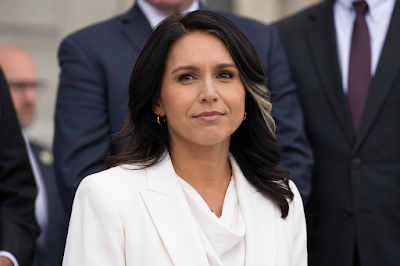
That’s why Gabbard’s reported decision resonates beyond politics.
People aren’t debating policy here as much as they’re talking about priorities — and what happens when family needs become bigger than career ambition.
What Rare Bone Cancer Usually Looks Like
Rare bone cancers are especially difficult because they’re often discovered later than more common cancers. Symptoms can start small: lingering pain, swelling, unexplained fractures, or fatigue that doesn’t seem normal.
In many families, the early warning signs get brushed off.
A relative of mine ignored persistent leg pain for nearly six months because he thought it was an old sports injury. By the time doctors pushed for more scans, treatment had become much more aggressive than anyone expected.
That’s one reason stories like this matter. They encourage people to pay attention to symptoms they might otherwise dismiss.
Some of the challenges families dealing with rare bone cancers often face include:
- Long diagnostic timelines
- Multiple specialist appointments
- Expensive imaging tests
- Intensive chemotherapy or radiation
- Emotional burnout for caregivers
- Major changes to work schedules
- Financial pressure from ongoing treatment
And unlike what movies often show, caregiving is rarely dramatic every single day. Most of it is exhausting repetition — organizing medications, driving to appointments, helping with meals, handling paperwork, and trying to stay emotionally steady even when you’re scared yourself.
The Hidden Reality of Caregiving
One thing people don’t talk about enough is how physically and mentally draining caregiving becomes.
A lot of caregivers start out thinking they can “handle everything.” Then reality hits.
You stop sleeping properly. Your own health routines disappear. Meals become random. Exercise vanishes. You spend hours inside hospitals under fluorescent lights while trying to answer work emails from your phone.
I remember helping a friend set up simple digital tools just to keep her from completely losing track of appointments during her husband’s treatment. We used:
- Google Calendar for medication reminders
- MyChart to track hospital records
- WhatsApp family groups for updates
- Shared notes apps for symptom tracking
- Food delivery apps during treatment weeks
Those tiny systems made a huge difference because cancer treatment quickly turns life chaotic.
If Gabbard is stepping away to focus on caregiving, the decision probably reflects something many families eventually realize: serious illness becomes a full-time responsibility for everyone involved.
Why More People Are Respecting the Decision
Online reactions have been surprisingly emotional and supportive across different political viewpoints.
That doesn’t happen often anymore.
Usually political news turns into instant arguments. But caregiving and cancer are experiences that cut through ideological divides because so many people have lived through them personally.
A lot of comments from ordinary people shared similar thoughts:
- “Family comes first.”
- “No job matters more than your spouse.”
- “I wish I had spent more time with my loved one during treatment.”
- “Power means nothing when someone you love is suffering.”
And honestly, those reactions make sense.
When someone faces a life-threatening illness, time suddenly becomes more valuable than status.
Practical Lessons Families Can Learn From Stories Like This
One unexpected thing I’ve noticed after seeing multiple families go through cancer treatment is how unprepared most people are emotionally and logistically.
Nobody teaches you how to become a caregiver overnight.
If someone reading this is entering that situation for the first time, these are some practical things that genuinely help.
1. Organize Medical Information Early
This sounds boring until things become overwhelming.
Keep:
- Scan reports
- Doctor contact info
- Insurance documents
- Medication schedules
- Emergency contacts
- Treatment timelines
in one place from the beginning.
Digital folders help more than paper stacks because appointments move fast.
2. Accept Help Faster
One of the biggest mistakes caregivers make is refusing support.
People often say:
- “I’m okay.”
- “We’ve got it covered.”
- “No need to help.”
But burnout happens quickly.
Let people:
- Bring meals
- Handle grocery runs
- Watch kids
- Drive to appointments
- Sit with the patient during treatment
Even small support matters.
3. Stop Trying to Keep Life “Normal”
This one took me a while to understand.
Families sometimes waste energy pretending everything is fine because they want emotional stability. But treatment changes routines. That’s reality.
Instead of forcing normality, build new temporary systems that reduce stress.
Simplify meals.
Delay unnecessary commitments.
Cut extra obligations.
Protect energy wherever possible.
4. Caregivers Need Support Too
This gets overlooked constantly.
The caregiver often becomes emotionally isolated because everyone focuses on the patient. But caregivers can develop anxiety, depression, exhaustion, and health issues themselves.
I’ve seen caregivers completely collapse after months of operating on adrenaline.
Even basic self-care matters:
- Sleep whenever possible
- Eat consistently
- Take short walks
- Talk to someone
- Avoid carrying every burden alone
Public Pressure Makes These Decisions Even Harder
Most families dealing with illness can quietly disappear from work or social obligations for a while. Public officials don’t get that luxury.
Every decision becomes public conversation.
That’s another reason this story feels significant. Walking away from a powerful role under public scrutiny isn’t easy. There are political consequences, media narratives, and nonstop commentary attached to every move.
But caregiving changes perspective fast.
When someone you love is facing chemotherapy, surgeries, or uncertain outcomes, career timelines suddenly feel less important than being physically present.
I’ve heard many former caregivers say the same thing afterward:
“They never regret the time they spent with family.”
The Emotional Side Nobody Prepares You For
One thing that surprised me when helping people through medical crises was how emotionally unpredictable the experience becomes.
Some days feel hopeful.
Some feel terrifying.
Some feel strangely ordinary.
You can go from laughing over coffee in the morning to discussing test results by afternoon.
That emotional whiplash is hard on relationships too.
Couples often have to relearn communication during treatment because stress changes everything:
- patience
- sleep
- emotions
- financial decisions
- intimacy
- future planning
And despite all the medical focus, emotional presence often matters most.
Sometimes patients don’t need perfect answers. They just need someone there consistently.
Why Stories Like This Matter Beyond Politics
Whether someone supports Gabbard politically or not, stories like this remind people that illness doesn’t care about titles, wealth, or influence.
Cancer forces people to confront what actually matters.
For some families, that means stepping away from work.
For others, it means relocating.
For many, it means completely rebuilding daily life around treatment and recovery.
And honestly, seeing a public figure choose family over power may encourage ordinary people to rethink their own priorities too.
A lot of workers quietly feel guilty for taking time off during family emergencies. Stories like this can help normalize the reality that caregiving is real work — emotionally, physically, and mentally.
Final Thoughts
The older I get, the more I notice that life-changing moments rarely look dramatic in real time. Often they’re quiet decisions made in hospital rooms, parking lots, or late-night conversations between exhausted spouses trying to figure out what comes next.
If the reports about Tulsi Gabbard stepping down to care for her husband are accurate, it’s understandable why so many people connected with the story immediately.
Not because of politics.
Because many people have already lived some version of it themselves.
And once you’ve watched someone you love battle cancer, you understand why being present becomes more important than almost anything else.